Team Chat vs. Email: Where Should Your Team's Communication Live?
Chat promises speed, email promises order, and most teams run both badly. A practical split that plays to each one's strengths.
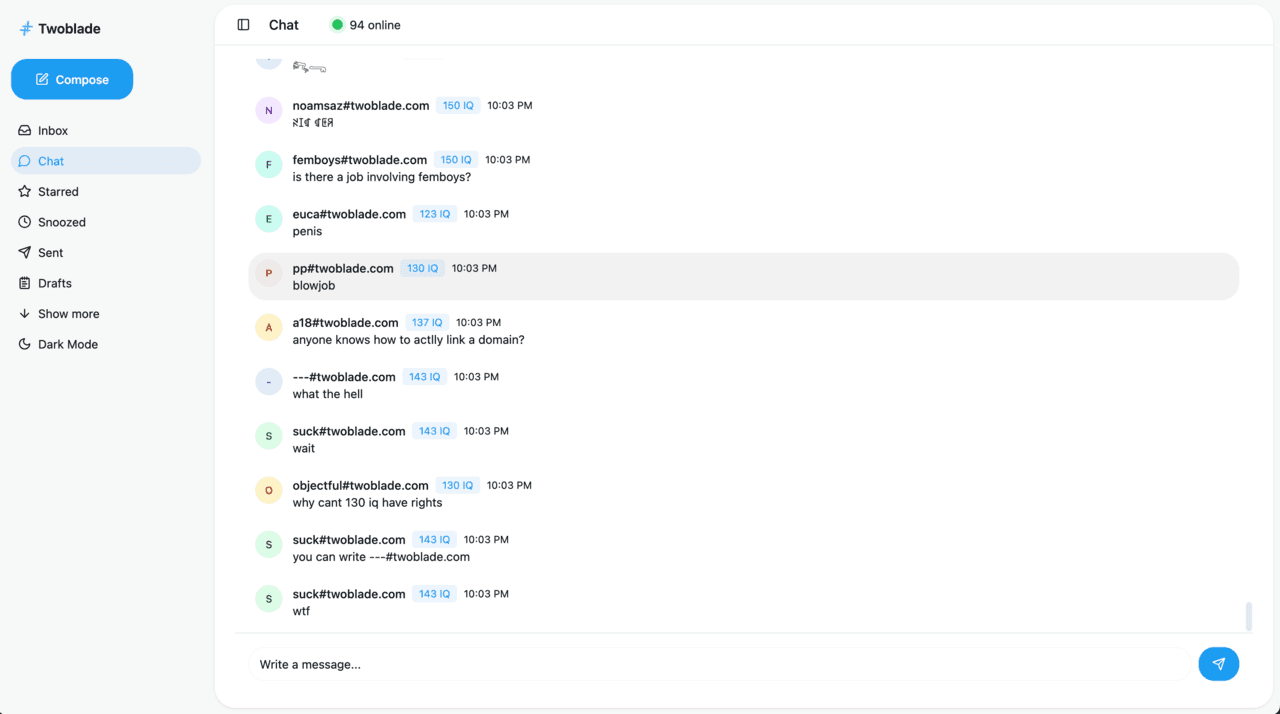
The chat-versus-email debate is usually framed as old versus new, but they're built for different jobs: chat is optimized for fast, informal, ephemeral exchange; email for deliberate, self-contained, referenceable messages. Teams get into trouble not by picking the wrong tool, but by letting every conversation default to whichever app is already open.
How we evaluated this comparison
We compared the two channels on response expectations, findability of past decisions, interruption cost, and how well each handles external parties — the factors that determine whether communication actually lands, rather than subjective preference.
Where team chat wins
Chat excels at anything that benefits from low friction: quick questions, coordination during live work, and the social fabric remote teams otherwise lose. A question that would feel heavyweight as an email gets answered in chat in ninety seconds.
Where email wins
Email is better for anything someone will need to find in three months: decisions, commitments, anything involving people outside your organization. A chat scrollback is a terrible system of record — threads fragment, messages get edited, and search quality varies wildly between tools.
Side-by-side comparison
| Criterion | Team Chat | |
|---|---|---|
| Response speed expectation | Minutes — great for live coordination | Hours to a day — protects focus |
| Findability months later | Poor — threads fragment and scrollback decays | Strong — self-contained and searchable |
| Interruption cost | High unless notifications are tamed | Low — processed on your schedule |
| External parties | Weak — guest access is clunky | Universal — works with anyone |
| Best for | Quick questions and live coordination | Decisions, commitments, and anything external |
How we evaluated this: Rows reflect the structural strengths of each channel for internal team use, not a comparison of specific products.
Final verdict
Run both, with an explicit rule: chat for coordination that expires, email for anything that must be findable later or involves outsiders — and write the rule down where the team can see it.
Buy if
- Use chat as the default for internal, same-day coordination
- Use email for decisions, external communication, and anything with a long shelf life
Skip if
- Don't announce decisions only in chat — if it matters next quarter, it needs to live somewhere durable
Alternatives to consider
- A lightweight wiki or docs tool as the system of record, with chat and email both pointing into it
Devin Park
Senior Reviewer, Productivity & Cloud Tools
Devin covers productivity and cloud tools, with a focus on real-world workflow fit, sync reliability, and long-term lock-in risk over headline feature lists.
Reviewed against our editorial standards